For many older people, the thought of trying a new type of exercise can be scary. Even the smallest movement can seem impossible if they have physical limitations, fear getting hurt, are tired, or don’t know where to start. That’s where home care assistance comes into play. Not only do trained caregivers help with daily tasks, but they also give seniors the support, structure, and companionship they need most. In fact, many seniors are more willing to try new things they never would have attempted with a trusted caregiver by their side, including embracing gentle movement.
The Role of Home Care in Building Motivation
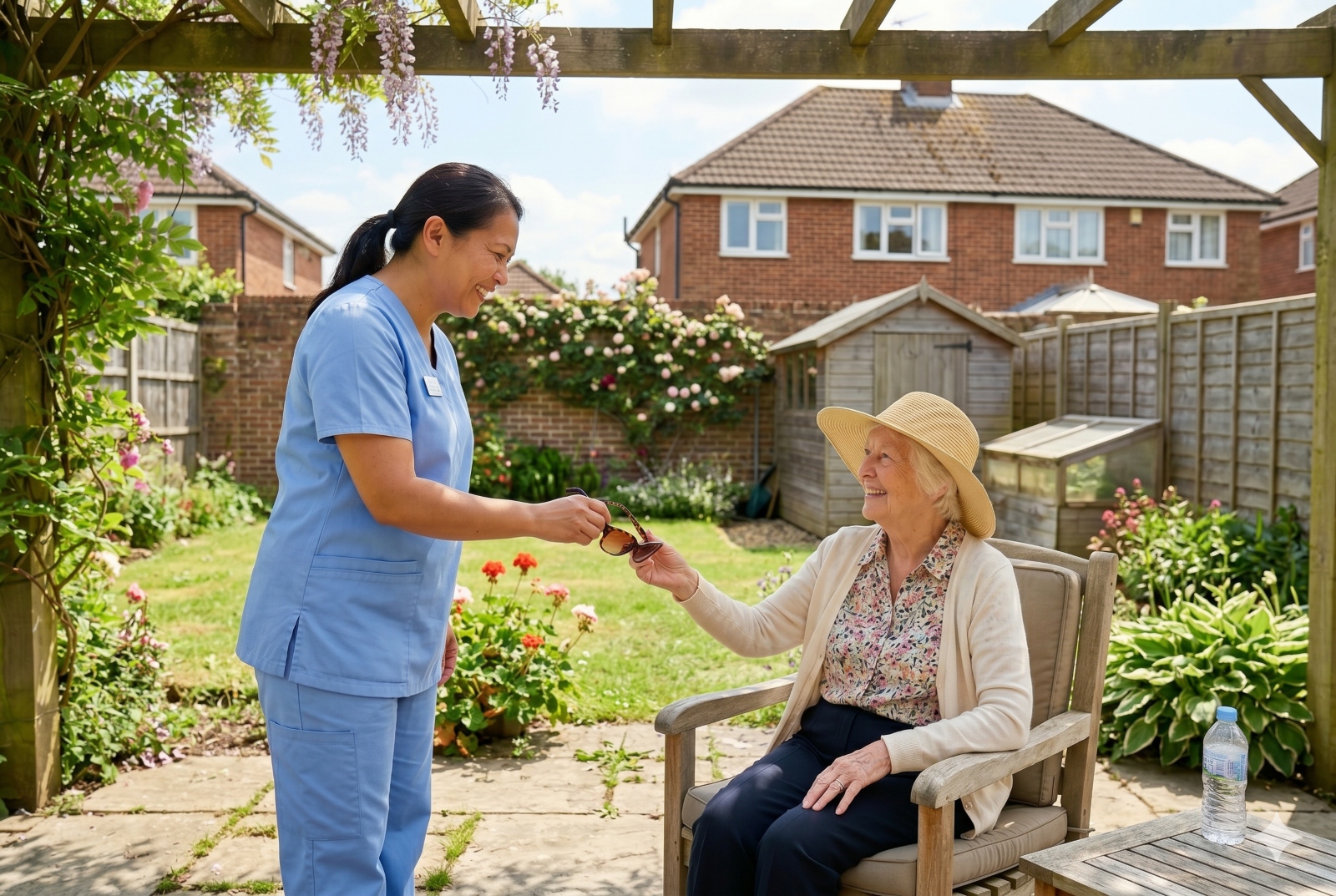
For seniors aging in place on their own, particularly if they have health conditions that impact movement or cause pain, the motivation to try something like yoga, tai chi, or even qigong might be hard to come by. With home care assistance by their side, however, their perspective might change. Not only can caregivers offer the “why” behind the need to stay active, but they also offer the promise of consistent monitoring, which helps seniors feel safer to try new things without the fear of injuring themselves.
This last part is particularly important, as it is often the reason many seniors forgo physical activity. Professional caregivers understand this and make sure the exercise space is clear of tripping hazards, ensure the senior is wearing comfortable clothes, and help them find beginner videos that are specifically designed for their age and experience level. Additionally, caregivers can offer transportation to classes within the community and even participate with the senior when allowed.
Why Tai Chi, Yoga, and Qigong Are Smart Choices
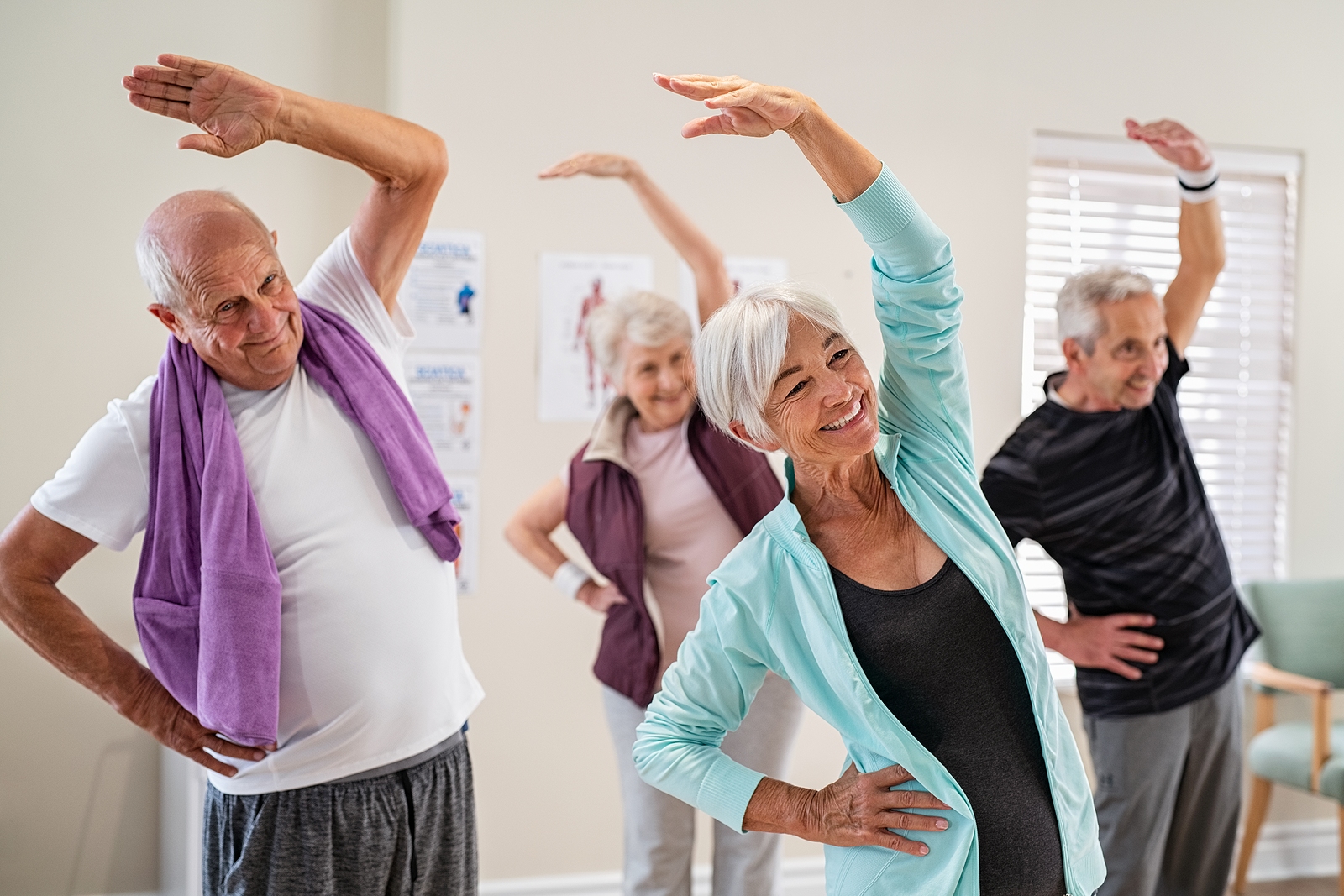
These three activities are great for older adults because they put more emphasis on control than speed, breath than strain, and being present than performing.
Tai Chi: Tai chi involves slow, flowing sequences of movement that improve balance and coordination. Studies have shown that it also lowers the risk of falls, which is one of the biggest concerns for older adults. Its slow, meditative pace lowers stress and helps joints stay flexible without putting too much stress on the body.
Yoga: Yoga for seniors is all about gentle stretching, sitting poses, and standing poses with support. It strengthens the core, improves posture, and helps with the stiffness that comes with arthritis or not moving around enough. Yoga also promotes mindful breathing, which can help seniors sleep better and lower their stress levels.
Qigong: Qigong is based on traditional Chinese medicine and includes slow movement, focused breathing, and mental focus. Some of its benefits include increased energy, less pain, and better emotional balance. Additionally, it doesn’t need any equipment and can be done sitting or standing, so it works for people of all skill levels.
Small Steps, Big Changes
When a senior tries one of these activities for the first time, even if it’s only for 10 minutes, something often changes. Things that seemed impossible to do start to seem possible. A body that used to feel like a burden now feels like something worth caring for. Add in the encouragement offered by home care assistance and what starts as a one-time activity can turn into a weekly routine.
Home care assistance is more than just getting help with daily tasks. Care providers become trusted companions who encourage seniors to do all they can to maintain their health and well-being, including trying gentle movement activities like yoga, Tai Chi, and qigong.
Sources:
https://www.aarp.org/health/healthy-living/tai-chi-benefits/
https://www.health.harvard.edu/healthy-aging-and-longevity/the-health-benefits-of-tai-chi
If you or an aging loved one is considering home care assistance in Scottsdale, AZ, please call the caring staff at Golden Heart Senior Care of Scottsdale at (480) 284-7360. We are here to help!