Keeping You Safe From COVID-19
Interested in a career at Golden Heart Senior Care. APPLY HERE!

What to Do When You Can No Longer Care for an Aging Parent on Your Own

Few decisions are more difficult than realizing you can no longer provide all the care your aging parent needs. Many adult children find themselves balancing careers, raising children, managing households, and supporting a parent whose needs continue to grow. While caregiving often begins as a labor of love, there may come a point when the physical, emotional, and logistical demands become more than one person can reasonably handle. For families facing this reality, 24-hour home care can provide the support needed to keep a loved one safe while allowing them to remain in the comfort of home.

If you are feeling exhausted, overwhelmed, or worried that your parent’s safety depends on support you can no longer consistently provide, you are not alone. Millions of family caregivers face this challenge every day. Recognizing that additional help is needed is not a sign of failure—it is a sign of responsibility, compassion, and deep concern for your parent’s well-being.

Many adult children struggle with feelings of guilt when considering professional care. They may worry that they are abandoning their parent or failing to meet expectations they have placed on themselves. In reality, acknowledging when additional support is needed is one of the most caring decisions you can make. Your parent deserves consistent, reliable care, and you deserve the peace of mind that comes from knowing they are safe and supported.

Understanding 24-Hour Home Care

With 24-hour home care, trained caregivers provide support around the clock, ensuring that seniors are never left alone when they need assistance. Caregivers work in shifts so that help is available both day and night, offering support with daily activities, household tasks, personal routines, and companionship.

This level of care can be especially beneficial for seniors who are living with mobility limitations, memory loss, chronic health conditions, fall risks, or increasing difficulty managing everyday responsibilities independently.

During the day, caregivers can help with meals, household tasks, errands, and companionship. At night, they can assist with bedtime routines, provide medication reminders, and respond quickly if a senior needs help getting out of bed, experiences confusion, or simply needs reassurance.

For family members, knowing that someone is always present can relieve a tremendous amount of stress and worry.

Why Seeking Help Is an Act of Love

Many family caregivers assume they should be able to handle everything themselves. However, caregiving is often far more demanding than people expect. Balancing your parent’s needs with work obligations, childcare responsibilities, personal relationships, and your own health can become overwhelming over time.

Seeking professional support does not mean you are stepping away from your responsibilities. Instead, it means you are building a stronger care team around your parent.

In fact, bringing in professional caregivers often allows adult children to spend more meaningful time with their loved ones. Rather than constantly managing appointments, chores, medications, and household tasks, you can focus on maintaining your relationship as a son or daughter.

Professional care also helps prevent caregiver burnout, which can negatively affect both family caregivers and the seniors who depend on them.

How 24-Hour Home Care Supports Daily Living

As seniors age, everyday tasks that once seemed simple can become physically challenging, exhausting, or even unsafe. One of the greatest benefits of 24-hour home care is that support is available whenever it is needed, helping seniors maintain comfort, dignity, and independence while reducing stress for family members.

Caregivers commonly assist with:

  • Preparing nutritious meals, snacks, and beverages throughout the day
  • Washing dishes and keeping the kitchen clean and sanitary
  • Grocery shopping and picking up prescriptions
  • Running errands such as banking, mailing packages, or household shopping
  • Vacuuming, dusting, organizing clutter, and performing light housekeeping
  • Washing, drying, folding, and putting away laundry
  • Changing bed linens and towels regularly
  • Providing medication reminders and helping seniors stay on schedule
  • Offering companionship and meaningful conversation
  • Assisting with nighttime routines and providing support during overnight hours

Having this level of assistance available around the clock allows seniors to continue living safely at home while giving family members confidence that their loved one’s needs are being met consistently.

The Importance of Medication Reminders and Routine Support

For many seniors, managing medications becomes increasingly complicated. Multiple prescriptions, changing schedules, and memory challenges can make it difficult to take medications correctly and consistently.

Caregivers can provide medication reminders and help seniors stay organized throughout the day. While caregivers do not replace healthcare professionals, they play an important role in supporting routines and helping seniors follow care plans as directed by their physicians.

This added layer of support can be particularly reassuring for adult children who are unable to be present every day. Knowing that someone is helping your parent stay on track can reduce anxiety and help prevent avoidable health complications.

Signs It May Be Time to Consider Additional Care

Sometimes families are unsure whether their loved one truly needs around-the-clock support. While every situation is unique, some common signs include:

  • Frequent falls or close calls
  • Missed medications or confusion about medication schedules
  • Difficulty preparing meals or maintaining proper nutrition
  • Increasing forgetfulness or memory-related concerns
  • Trouble keeping up with housekeeping or personal routines
  • Wandering, especially during the evening or nighttime hours
  • Growing isolation or loneliness
  • Family caregivers feeling exhausted, overwhelmed, or unable to keep up with care demands

If several of these signs are present, it may be time to explore additional support options before a crisis occurs.

Giving Yourself Permission to Accept Help

Perhaps the most important thing to remember is that you do not have to do everything alone.

Many adult children carry an enormous sense of responsibility for their parents’ well-being. While that commitment comes from love, it can also create unrealistic expectations about what one person can reasonably manage.

Seeking 24-hour home care is not about giving up. It is about recognizing that your parent deserves consistent care and that you deserve support as well. Professional caregivers become partners in care, helping ensure your loved one remains safe, comfortable, and supported while allowing you to continue being a son or daughter first rather than a full-time caregiver.

The goal is not to replace family involvement. The goal is to create a support system that allows your parent to maintain the highest possible quality of life while preserving your own health, relationships, and peace of mind.

Sometimes the most loving decision you can make is recognizing that you do not have to carry the responsibility alone.

If you or an aging loved one is considering 24-hour home care in Apache Junction, AZ, please call the caring staff at Golden Heart Senior Care of Scottsdale at (480) 284-7360. We are here to help!

Why Meaningful Companionship Matters as Much as Practical Support for Seniors

After Margaret’s knee replacement surgery, her family focused on all the obvious concerns.

They arranged transportation to follow-up appointments. They made sure she had meals prepared and medications organized. They checked in frequently to see how her recovery was progressing.

From a practical standpoint, everything seemed to be under control.

Yet during one visit, Margaret made an observation that surprised her daughter.

“I miss having someone to talk to during the day.”

Her physical needs were being met, but she was spending long stretches of time alone. As the weeks passed, her family realized that emotional well-being deserved just as much attention as her recovery.

Many families encounter a similar realization. While assistance with daily tasks is important, meaningful companionship often plays an equally valuable role in helping seniors maintain a positive outlook and enjoy a fulfilling life at home.

The Need for Connection Does Not Disappear With Age

People naturally seek connection throughout every stage of life.

Work, family responsibilities, community involvement, and friendships often provide regular opportunities for interaction during earlier years. As people age, many of those opportunities begin to change.

Retirement, health conditions, relocation, and the loss of loved ones can gradually reduce daily social contact. Even seniors with strong family relationships may spend much of their time alone between visits.

Meaningful companionship helps fill this gap by providing consistent social interaction and emotional support.

Emotional Well-Being Influences Physical Health

Physical and emotional health are closely connected.

Seniors who feel isolated or disconnected may be less motivated to:

  • Stay active
  • Prepare healthy meals
  • Participate in hobbies
  • Follow daily routines
  • Engage with others

On the other hand, regular social interaction often encourages greater participation in everyday activities.

Companionship helps create a sense of connection that can positively influence overall well-being.

Small Interactions Can Have a Big Impact

Families sometimes assume companionship requires elaborate outings or constant activity.

In reality, many meaningful moments are surprisingly simple.

Examples include:

  • Sharing a meal
  • Talking about family memories
  • Watching a favorite television program together
  • Taking a walk
  • Playing cards
  • Discussing current events

These interactions help seniors feel valued and connected while providing opportunities for conversation and engagement.

Every Senior Experiences Companionship Differently

There is no single definition of meaningful companionship. Some seniors enjoy long conversations and social outings. Others prefer quieter interactions, shared hobbies, or simply having another person nearby.

Effective elder care recognizes these differences and adapts to individual personalities and interests.

The goal is not to create a schedule of activities but to foster genuine connection.

Supporting Families Along the Way

Many adult children worry that they are unable to spend enough time with an aging parent. Work schedules, parenting responsibilities, and distance can make frequent visits difficult. Elder care helps provide consistent interaction between family visits while reducing concerns about isolation.

Rather than replacing family involvement, it complements it.

Families often find that visits become more enjoyable when they are focused on spending quality time together rather than addressing loneliness or boredom.

Looking Beyond Basic Care Needs

When evaluating a loved one’s needs, it is easy to focus on practical concerns such as safety, meals, transportation, and household responsibilities.

These needs are important, but they are only part of the picture.

A fulfilling life also includes:

  • Friendship
  • Conversation
  • Shared experiences
  • Emotional connection
  • A sense of belonging

Companionship helps support these essential aspects of well-being.

Conclusion

Helping a senior thrive at home involves more than meeting physical needs. Meaningful relationships, regular interaction, and emotional connection play an important role in overall happiness and quality of life.

Elder care provides seniors with opportunities for genuine connection while helping them remain engaged in the routines and activities they enjoy. For many older adults, companionship becomes one of the most valuable forms of support because it addresses a fundamental human need: the desire to feel connected to others.

If you or an aging loved one is considering elder care in Sun Lakes, AZ, please call the caring staff at Golden Heart Senior Care of Scottsdale at (480) 284-7360. We are here to help!

Should Seniors Consider Wearing Fitness Trackers?

Just about everyone has tried wearing a fitness tracker, even if it’s just a passing fancy. But should seniors consider wearing them? It turns out that there are some features that are standard on most fitness trackers that seniors might find useful for their own needs. Senior home care providers can help aging adults manage all sorts of decisions like these that can help improve overall quality of life.

What Do Fitness Trackers Do for Seniors?

Lots of people who wear fitness trackers do so to track things like activity levels, workouts, and even sleep time or stress levels. Seniors might be interested in them for similar reasons. Fitness trackers can give seniors information about how well they’re sleeping, whether they’re doing the right things to improve their health, and even offer them reminders to move more. Home care providers can help seniors to adjust the settings so that they track exactly what seniors want to know.

Safety Features on Fitness Trackers

Most fitness trackers have some built in safety features that seniors might find interesting, too. Some of them have fall alerts, for instance. These indicators can detect a fall and then take a specific action, like alerting a friend or family member to check in. Some can also call emergency services with the touch of a special button or combination of button presses. These features can help seniors feel more secure without causing them to feel as if they’re using a device made only for “old people.”

Paying Attention to Health Metrics

There is a lot of data available to people who use fitness trackers regularly. They can track steps, workout intensity, heart rate, and even track oxygen levels. This information may not be as accurate as medical devices would be, but even a general idea can help seniors to pay closer attention to the health metrics that matter most to them. Home care providers can help seniors with apps to get a better visual on the data their devices collect.

Offering Peace of Mind to Family Caregivers

Family caregivers may also get some benefits from their seniors wearing fitness trackers. If they live far away and can access the data, they can get an idea how active their seniors are on any given day. They can also check out sleep time and quality, helping seniors figure out what might be interfering with their sleep if they’re having trouble. Combined with senior home care services, family caregivers can get a full picture of how their seniors are doing.

Starting Conversations About Health Needs

Sometimes it’s tough for families to talk with seniors about their health issues and what they need to feel better. Wearing a fitness tracker can give everyone some data they can look at to make talking about health needs a little less vague. That data can also be helpful for healthcare providers.

Wearing a fitness tracker or not is a very personal decision. There might be enough benefits that seniors decide to give it a try now and again. Senior home care providers can help aging adults remember to keep their devices charged and in a safe location when they’re not wearing them.

If you or an aging loved one is considering senior home care in Scottsdale, AZ, please call the caring staff at Golden Heart Senior Care of Scottsdale at (480) 284-7360. We are here to help!

Five Tips to Help Seniors Feel Happier Every Day

Seniors have lots of reasons to be happy and enjoy their lives, but as they age in place, some of the challenges they face may make happiness feel more complicated. Family caregivers can help by offering solutions to some of those difficulties and by lining up help from companion care at home. Finding the right combination of supports offers seniors exactly the help they need, when they need it most.

Encourage Them to Try Hobbies

One of the best parts of aging in place and retiring is that seniors have more time to do some of the things they love and didn’t have time to do in the past. If they never took time for hobbies before, now is the perfect time for seniors to find something they love doing. Companion care at home can be a huge help with finding new hobbies. Companion caregivers can chat with seniors as they engage in hobbies and work with them to explore different ideas of hobbies that might be a good fit.

Help Them Move More

Physical wellness is a bigger part of being happy than many people realize. Before seniors start any new exercise program, though, they should talk with their doctors and make sure that it’s okay for them to start moving more. Increasing their physical activity levels can help seniors to get better sleep, improve their appetites, and feel stronger and healthier. All of these factors, along with the endorphins from exercise, can help seniors to feel happier, too.

Make Connection Easier

Staying connected to other people is a huge part of helping seniors feel happier on a daily basis. When seniors age in place, they may feel lonelier and more isolated than they expect, especially if friends and family members live far away. Home care providers can help by making it easier for seniors to get out and about or to use technology to stay in touch.

Schedule Quality Time

Seniors often have a lot of time on their hands, but the people they love might be a little more limited in the time they have available. Companion care at home can help families figure out the best ways to schedule quality time with aging adults. They can also help seniors to stay on top of when they’re meeting with friends and family members, offering companionship in between those visits.

Get Extra Help When Necessary

As seniors continue to age in place, they may start to need more help and not realize that help is available. Companion care at home can help to keep family caregivers abreast of what’s going on, too. Then, when seniors need that extra support, it’s easier to transition elder care providers into the mix and offer additional assistance.

Growing older happily looks different for every senior. Everyone’s challenges and preferences are so different, and it’s not always easy for family members to keep up. Companion care at home can be a fantastic bridge for families, helping them to stay aware of what seniors need while also keeping them company and boosting their moods along the way.

If you or an aging loved one is considering companion care at home in Apache Junction, AZ, please call the caring staff at Golden Heart Senior Care of Scottsdale at (480) 284-7360. We are here to help!

Eye Health Presentation with Dr. Tozer!

There are many health issues that plague seniors.

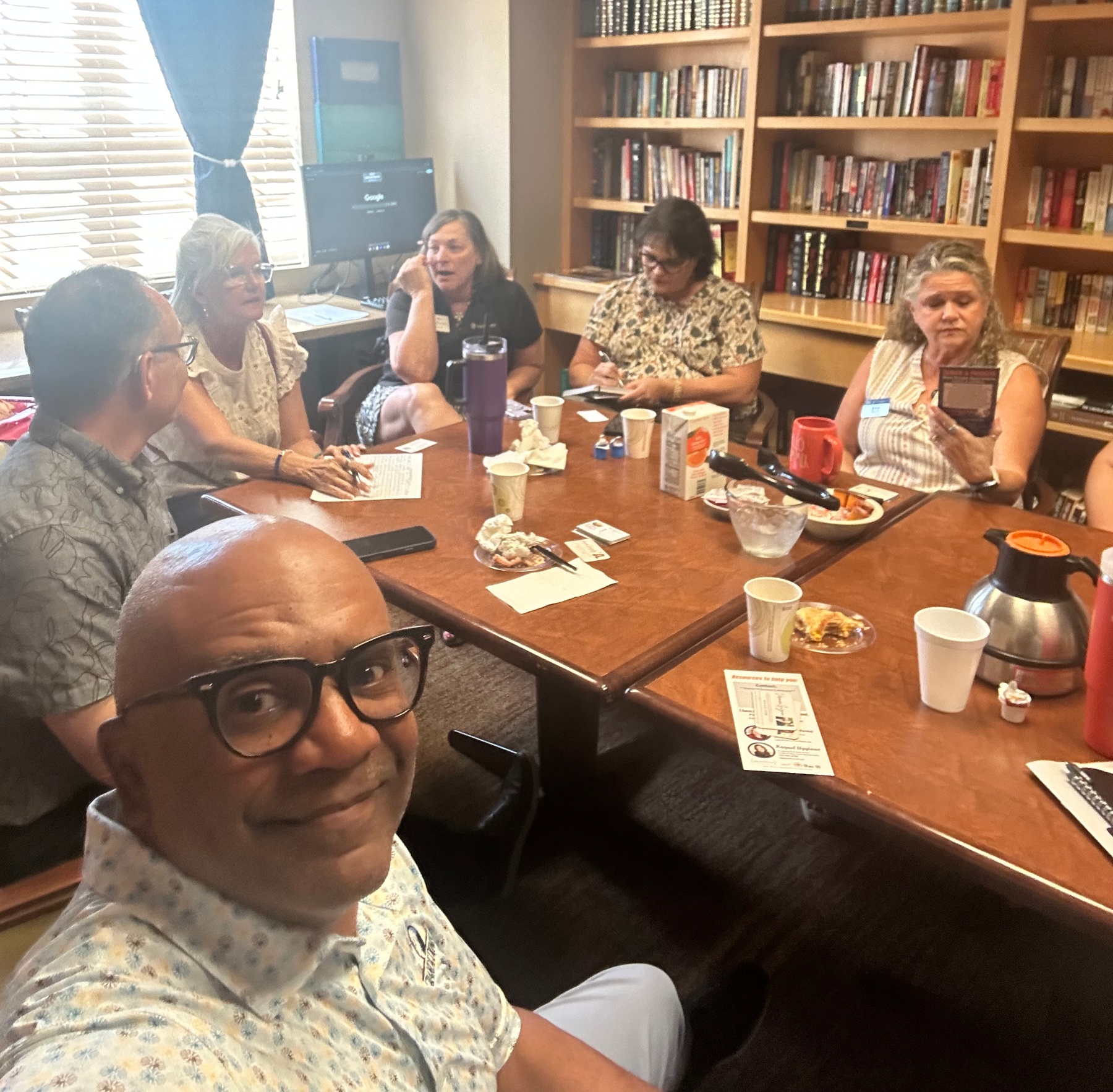
Here, we are seen presenting Dr. Tozer of the Tozer Eye Center in Scottsdale.
Dr Tozer did a presentation on eye health for our friends at Vi at Grayhawk.

Thank you, Dr Tozer for an excellent presentation.

For more information, please contact us at #GoldenHeartScottsdale.com.

We’re standing by to speak with you!

Call us today at (480) 284-7360

How Home Care Helps Seniors Protect Their Eyesight Every Day

Vision is one of the most important senses, and for older people, maintaining their eyesight is essential for their independence, safety, and quality of life. However, most people don’t think about their eye health until they have a problem that they can’t ignore. The good news is that there are many things that seniors can do to protect their eyesight, and with the help of home care, they can learn how to incorporate these habits into their daily lives.

The Connection Between Daily Habits and Eye Health

Older adults often lose their vision because of age-related eye problems like macular degeneration, cataracts, glaucoma, and diabetic retinopathy. Unfortunately, genetics and medical history are things that no one can change, but the way seniors live their lives can have a big effect on how well their eyes age.

Eating well, drinking enough water, protecting their eyes from UV rays, limiting screen time, and getting regular eye exams are all things that can help keep the eyes healthy. For many seniors aging in place, the hardest part is not knowing what to do; it’s doing it every day.

How Home Care Supports Eye-Healthy Habits

Eating leafy greens, colorful vegetables, eggs, and fish will give seniors the lutein, zeaxanthin, omega-3 fatty acids, and vitamins C and E that are good for their retinas. Home care providers can help seniors with grocery shopping, planning meals, and cooking, making sure they always have access to foods that are beneficial for their eyes. This is particularly important for seniors who have mobility issues or tend to skip meals. Other ways that home care supports eye-healthy habits include the following:

Promoting Drinking Water: Dry eye syndrome is a condition that causes discomfort and can make vision blurry over time. Dehydration is one of the things that can cause it. Home health providers gently remind seniors to drink water throughout the day and monitor their fluid intake, particularly if they are taking medications that increase their risk of dehydration.

Encouraging Reduced Screen Time: Reading on a tablet, using a computer, or scrolling on their phone for a significant amount of time can damage the eyes, especially in rooms with poor lighting. Caregivers can help seniors follow the 20-20-20 rule, which says to look at something 20 feet away for 20 seconds every 20 minutes. They can also ensure that reading areas and living spaces are well-lit. Moving lamps around or making text bigger on devices are two simple changes that can help protect senior eyes.

Safety and UV Protection Outside: Without the right protection, being in the sun accelerates the growth of cataracts and macular degeneration. Caregivers can help seniors remember to wear sunglasses every time they go outside, whether it’s for a walk or a doctor’s appointment.

Helping with Eye Exam Appointments: Regular eye exams are one of the best ways to identify eye problems early on. Professional caregivers can help seniors make appointments, provide them with transportation, and go into the exam room with them. This makes sure they’re up to date and no advice or instructions are missed.

Losing one’s vision doesn’t have to be a normal part of getting older. Seniors can keep their eyes healthy for a long time by doing the right things every day with the right help. Home care helps them go from knowing what’s good to actually doing it.

Sources:
https://www.aarp.org/health/conditions-treatments/protect-eyes/
https://www.hopkinsmedicine.org/health/wellness-and-prevention/best-way-to-age-proof-your-vision
https://midwesteyecenter.com/good-habits-to-adopt-for-healthy-eyes/

If you or an aging loved one is considering home care in Scottsdale, AZ, please call the caring staff at Golden Heart Senior Care of Scottsdale at (480) 284-7360. We are here to help!

Helping Seniors Embrace Gentle Movement

For many older people, the thought of trying a new type of exercise can be scary. Even the smallest movement can seem impossible if they have physical limitations, fear getting hurt, are tired, or don’t know where to start. That’s where home care assistance comes into play. Not only do trained caregivers help with daily tasks, but they also give seniors the support, structure, and companionship they need most. In fact, many seniors are more willing to try new things they never would have attempted with a trusted caregiver by their side, including embracing gentle movement.

The Role of Home Care in Building Motivation

For seniors aging in place on their own, particularly if they have health conditions that impact movement or cause pain, the motivation to try something like yoga, tai chi, or even qigong might be hard to come by. With home care assistance by their side, however, their perspective might change. Not only can caregivers offer the “why” behind the need to stay active, but they also offer the promise of consistent monitoring, which helps seniors feel safer to try new things without the fear of injuring themselves.

This last part is particularly important, as it is often the reason many seniors forgo physical activity. Professional caregivers understand this and make sure the exercise space is clear of tripping hazards, ensure the senior is wearing comfortable clothes, and help them find beginner videos that are specifically designed for their age and experience level. Additionally, caregivers can offer transportation to classes within the community and even participate with the senior when allowed.

Why Tai Chi, Yoga, and Qigong Are Smart Choices

These three activities are great for older adults because they put more emphasis on control than speed, breath than strain, and being present than performing.

Tai Chi: Tai chi involves slow, flowing sequences of movement that improve balance and coordination. Studies have shown that it also lowers the risk of falls, which is one of the biggest concerns for older adults. Its slow, meditative pace lowers stress and helps joints stay flexible without putting too much stress on the body.

Yoga: Yoga for seniors is all about gentle stretching, sitting poses, and standing poses with support. It strengthens the core, improves posture, and helps with the stiffness that comes with arthritis or not moving around enough. Yoga also promotes mindful breathing, which can help seniors sleep better and lower their stress levels.

Qigong: Qigong is based on traditional Chinese medicine and includes slow movement, focused breathing, and mental focus. Some of its benefits include increased energy, less pain, and better emotional balance. Additionally, it doesn’t need any equipment and can be done sitting or standing, so it works for people of all skill levels.

Small Steps, Big Changes

When a senior tries one of these activities for the first time, even if it’s only for 10 minutes, something often changes. Things that seemed impossible to do start to seem possible. A body that used to feel like a burden now feels like something worth caring for. Add in the encouragement offered by home care assistance and what starts as a one-time activity can turn into a weekly routine.

Home care assistance is more than just getting help with daily tasks. Care providers become trusted companions who encourage seniors to do all they can to maintain their health and well-being, including trying gentle movement activities like yoga, Tai Chi, and qigong.

Sources:
https://www.aarp.org/health/healthy-living/tai-chi-benefits/
https://www.health.harvard.edu/healthy-aging-and-longevity/the-health-benefits-of-tai-chi

If you or an aging loved one is considering home care assistance in Scottsdale, AZ, please call the caring staff at Golden Heart Senior Care of Scottsdale at (480) 284-7360. We are here to help!
Visiting Seniors in Our Community

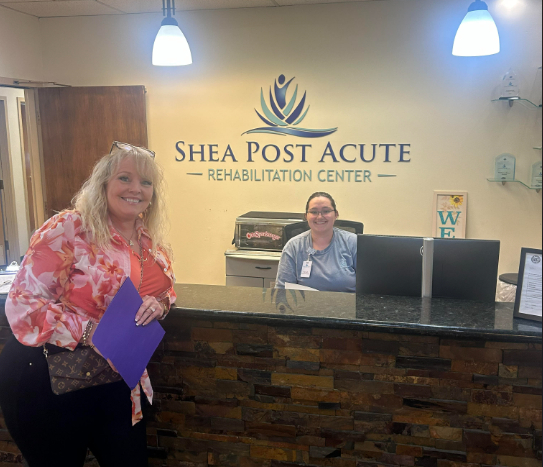
Hello Seniors, Families and Friends. Another glorious day of going out to help a senior in need. If you know a senior who could use a little help in their home, please have them contact #GoldenHeartScottsdale.com and we would love to come and see them.

24-Hour Home Care Makes Caring For A Senior Parent Easier For Families

Taking care of a senior parent can be a big stress, especially if you have a demanding job or children that you need to take care of. If you’re overwhelmed by the demands of caring for your parent as well as other responsibilities, it’s ok to get help. 24-hour home care is a great solution to make sure that your parent has all the support they need to live on their own. If your parent has 24-hour home care, you don’t have to worry about their safety while you manage your other responsibilities.

And if your parent has around the clock care, when you are able to visit your parent you can have quality time with your parent instead of spending that time cleaning up, doing laundry, or doing chores.

One of the biggest benefits of starting 24-hour home care for your parent is knowing that they aren’t alone, anxious, or scared at night. You can relax knowing that your parent has someone in the house with them at night to make sure they are safe and taken care of.

The Benefits of 24-Hour Home Care

Seniors who have 24-hour home care get consistent care that can lower their risk of falls, lower the chances of serious medication mistakes, and keep them from being lonely at home. 24-hour home care can help you, and it helps your parent by providing benefits like:

Your Parent is Never Alone

One of the biggest benefits of 24-hour home care is that your parent always has someone nearby. If they need help during the night or early morning, a caregiver is there right away.

Your parent might wake up feeling confused, uncomfortable, or unsteady on their feet. Instead of trying to manage alone, they can call for help. Having someone present at all times provides comfort and security for your parent.

Reduced Risk of Falls and Injuries

Falls are one of the most common dangers for older adults. Many falls happen when someone tries to get out of bed, walk to the bathroom, or move around the house without help.

With 24-hour care, a caregiver can help your parent stand up safely, walk through the house, or transfer in and out of bed or a chair.

Caregivers can also watch for hazards like clutter, poor lighting, or slippery floors and make sure the house is safe for your parent to move around in.

Help During Nighttime Hours

Nighttime can be especially challenging for many older adults. Your parent might wake up to use the bathroom, take medication, or wake up in pain. Having a care provider in the house can soothe your parent and make them feel less alone.

And a care provider can do things like bring your parent their medications, make them a cup of tea, or sit with them until they are able to fall asleep again. These comfort gestures will make your parent feel calmer and cared for.

Support with Daily Personal Care

As care needs increase, your parent may need help with personal care tasks. These might include bathing, getting dressed, grooming, or using the bathroom.

With 24-hour home care, a caregiver is available throughout the day to assist with these activities. They can help your parent start the day with morning care, assist with meals and medications during the day, and help them prepare for bed at night.

Consistent Meals and Household Help

Eating well and keeping a clean home can become difficult as your parent ages. Cooking, cleaning, and laundry require energy and mobility that your parent may no longer have.

Caregivers can also prepare meals, wash dishes, do laundry, and keep the home tidy. They can also make sure your parent eats regularly and drinks enough water throughout the day.

Companionship and Emotional Support

Loneliness can be a serious issue for older adults who spend long periods alone. Having someone nearby to talk with can brighten your parent’s day.

Caregivers often spend time chatting, sharing meals, watching television, or going for short walks with your parent. These simple moments of connection can improve mood and reduce feelings of isolation.

If you or an aging loved one is considering 24-hour home care in Queens Creek, AZ, please call the caring staff at Golden Heart Senior Care of Scottsdale at (480) 284-7360. We are here to help!
Compassionate In-Home Senior Care in Scottsdale: Meet Leah

Compassion You Can Feel From the Very First Visit

At Golden Heart Senior Care Scottsdale, we believe exceptional care is not just about tasks on our care plan, it’s about connecting with our clients, and providing clients & their families alike comfort, and peace of mind.

Recently, a client’s daughter shared this heartfelt note about one of our caregivers that has been caring for her mother:

“Please extend my deepest gratitude to Leah for her kindness, care, and love she’s been giving my mom. I’m so relieved when she walks into my mom’s bedroom.

She takes the time to say good morning to my mom and gently tend to her, all while chatting with her. This morning, when my mom realized Leah was there, her breathing actually quieted—it had been wheezing since about 6am.

I would highly recommend Leah to other families in need of care for a loved one.”

— Cheryl, Client’s Daughter

This is the exact reason we do what we do.

When a caregiver’s presence alone can bring calm, comfort, and even physical relief, it speaks volumes about the level of compassion and attentiveness we strive to provide every single day.

For families, knowing your loved one is not just cared for, but truly seen, heard, and comforted, can make all the difference.

We want to introduce Leah.

Leah is a truly special caregiver whose compassion shines through in every interaction. She brings a gentle, loving presence into the home, taking the time to understand what matters most to both her clients and their families. Her attentiveness, kindness, and genuine care create a sense of comfort that can be felt immediately. Caregivers like Leah are the heart of what we do, people who don’t just provide care, but bring peace of mind and meaningful connection to those they serve.

Thank you for being the difference, Leah. We so appreciate all you do for our clients, always.