Keeping You Safe From COVID-19
Interested in a career at Golden Heart Senior Care. APPLY HERE!

Fun and Easy Ways to Celebrate the Holidays with Your Senior

Sometimes the holiday season can be overwhelming. This can be especially true if you are caring for an elderly loved one who has fairly strict restrictions on what she can manage due to her health or other reasons. And while you might not be able to do every activity that is out there or attend the large gatherings that many people attend during the holiday season, there are still plenty of ways to enjoy this holiday season in little bite-sized pieces that will bring joy to your elderly loved one and not overwhelm her or you.

Why Small Celebrations Are Better for Some Elderly

Small moments of enjoying the holidays can be great when you have someone you care for who either has physical or cognitive struggles that make larger, louder, and busier gatherings too difficult. These smaller moments can be just what’s needed to keep the festive spirit of the holidays alive without resulting in a massive recuperation from the event.

Smaller celebrations can be beneficial for several reasons:

  • They’re more customizable to what your loved one likes
  • You have fewer people to manage
  • They’re usually less expensive
  • They protect your loved one from being exposed to unwanted situations, such as crowds or loud noises.
  • They’re over fairly quickly, so you don’t need to worry about your loved one getting exhausted.
  • If something does go wrong, it’s less likely to be overly upsetting.

Four Fun Ways to Celebrate the Holidays without Overextending Your Loved One or Yourself

Before you choose activities, consider having a companion care at home provider also choose a few activities to do with your loved one. Companion care at home providers can offer you a bit of relief when your schedule is overflowing with holiday expectations from every direction, and they can also provide your loved one with a change of pace as needed. You can also ask your companion care at home provider to start the process (such as helping your loved one shop for perfect cookie-baking ingredients), and then you can pick up at the actual event (like baking the cookies).

Once you have the people and the times picked out for some fun mini holiday celebrations, here are a few ideas to get you started.

  • Tour some Lights. This is the perfect time of year to take your elderly loved one for a nighttime ride around the neighborhood to check out all of the pretty Christmas displays. Some communities even create entire parks filled with lights that you can drive through. Bring some hot cocoa or apple cider, turn on those holiday songs, and it’s a night to remember that’s very low stress.
  • Bake some Treats. Whether your loved one wants to bake cookies from scratch or simply decorate some pre-bought cookies, a Sunday afternoon in the kitchen enveloped with the smells of holiday baking can be wonderful.
  • Watch a Favorite Holiday movie. Make it fun and have each person put on their holiday jammies, pop some popcorn, and watch those movies that bring memories of years long ago back to life.
  • Create Christmas Crafts. Don those ugly sweaters, put out some festive holiday snacks, and work on fun projects that can be shared this holiday with others.

The holidays don’t have to be larger than life to be enjoyable. Soak up those smaller moments as well.

If you or an aging loved one is considering companion care at home in Queens Creek, AZ, please call the caring staff at Golden Heart Senior Care of Scottsdale at (480) 284-7360. We are here to help!

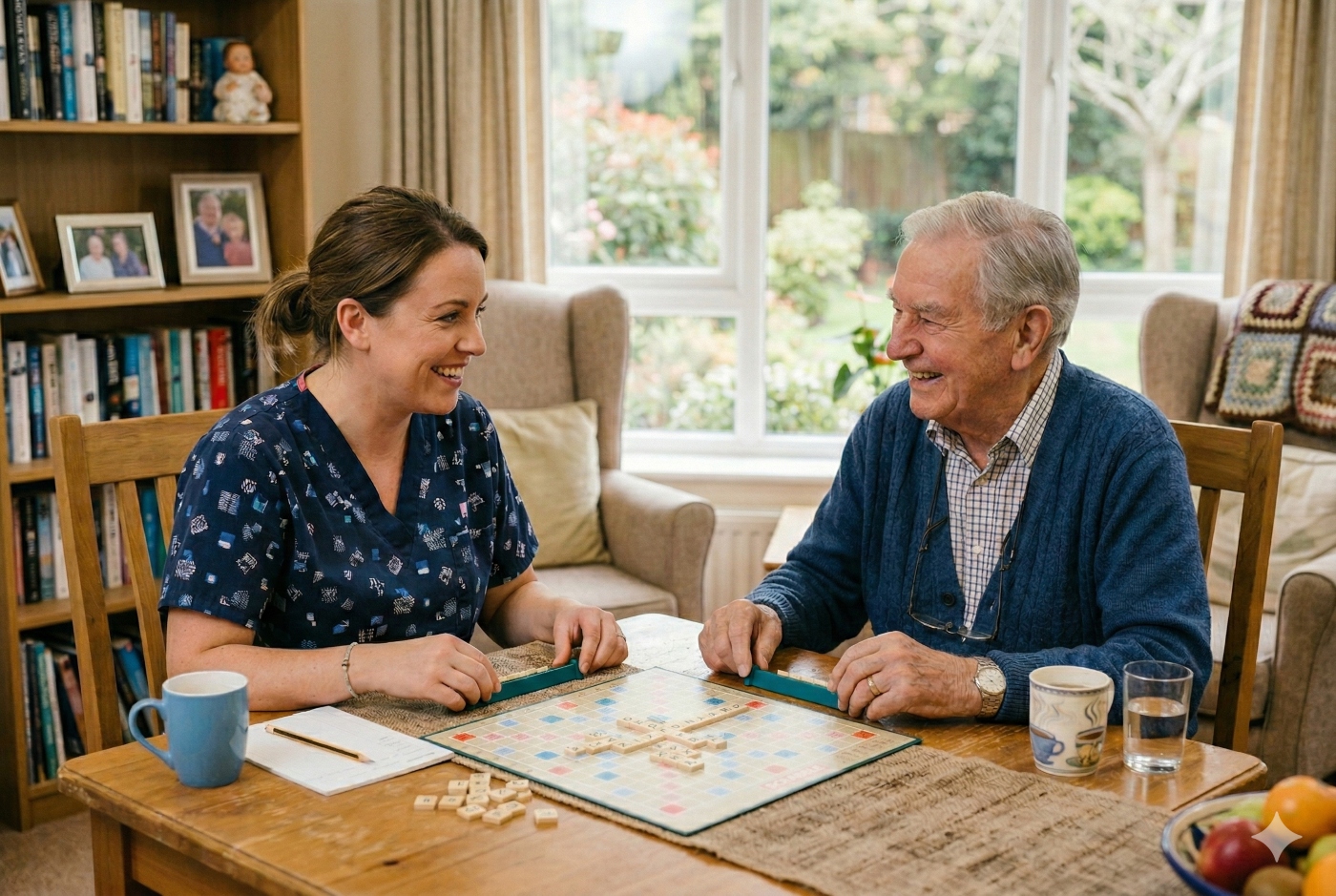
Helping Seniors Become Scam Savvy

Aging in place gives older adults something priceless: the comfort of home, familiar routines, and the freedom to live life on their own terms. But staying at home can also bring new risks—especially as scams aimed at seniors become more common and more sophisticated. Today’s fraud attempts don’t just happen through shady phone calls. They arrive by text message, email, social media, and even at the front door. And scammers are skilled at sounding convincing, urgent, and “official.”

The good news is that seniors don’t have to figure all of this out alone. With involved family members and trusted senior home care support, older adults can learn to spot red flags, trust their instincts, and protect themselves without giving up their independence. Becoming “scam savvy” isn’t about living in fear—it’s about staying informed, confident, and supported.

Helpful Monitoring

One of the biggest advantages of senior home care is simple but powerful: consistent presence. Caregivers spend meaningful time with clients in their daily environment, which gives them the chance to notice warning signs that others might miss.

A home care professional may observe:

  • repeated calls from unknown numbers
  • piles of suspicious mail or sweepstakes letters
  • emails asking for passwords or personal details
  • unexpected visitors claiming to represent a utility company, charity, or government agency

When a caregiver is nearby, they can gently step in if something feels off. That might look like asking a calm question—“Did you request that service?” or “Do you want to check with your daughter before answering?”—which helps the senior pause before reacting in the moment.

Even more importantly, caregivers often notice changes in behavior. If someone who is usually cautious becomes secretive about phone calls, suddenly worried about money, or unusually anxious when the mail arrives, those shifts can be a clue that a scam attempt is underway. A trained caregiver can alert the family early, which can prevent a small issue from becoming a financial or emotional crisis.

Education Through Conversation

Learning about scams doesn’t have to feel like a lecture. In fact, seniors often absorb information best when it comes naturally and respectfully. Home care professionals are in a perfect position to weave scam awareness into everyday life.

For example, while helping with lunch or a ride to an appointment, a caregiver might say:

  • “I heard about a new phone scam going around—people pretending to be Medicare.”
  • “If anyone ever asks you to pay with gift cards, that’s a big red flag.”
  • “It’s always okay to hang up and call back the official number.”

These casual conversations feel supportive instead of patronizing. They allow seniors to learn gradually, ask questions, and talk through situations without feeling embarrassed.

Caregivers can also help with technology-related risks. Even seniors who are comfortable online can be caught off guard by modern scams. Phishing emails, fake login links, and “support” pop-ups are designed to look real. A patient caregiver can break these threats down in simple terms and help the senior practice safer habits—like not clicking unknown links, checking email senders carefully, and never giving out passwords over the phone.

Building Confidence and Decision-Making Skills

Scammers usually aren’t looking for the most naïve person—they’re looking for the most isolated. Fraud thrives when someone feels rushed, alone, or afraid of making a mistake. That’s why emotional support is just as important as education.

Senior home care helps reduce isolation and builds confidence. Instead of telling seniors what to do, caregivers can encourage stronger decision-making by asking open-ended questions, such as:

  • “Does this offer seem too good to be true?”
  • “Why do you think they’re pressuring you to act right now?”
  • “What would you want a friend to do in this situation?”

This approach strengthens a senior’s ability to think critically without feeling judged. Over time, they become more comfortable trusting their instincts, saying “no” to pushy people, and checking with family before making decisions.

It also sends a clear message: asking questions is smart—not foolish. A senior who feels respected is far more likely to speak up when something doesn’t feel right.

Creating Practical Safeguards

Awareness is the first step, but real protection comes from simple systems that reduce risk in everyday life. Caregivers can help seniors set up safeguards that support independence rather than limit it.

Helpful measures might include:

  • setting up call blocking or spam filters on phones
  • placing a “no soliciting” sign on the front door
  • organizing important documents so real accounts are easy to find
  • creating a short list of trusted people to contact when unsure
  • establishing a family rule: “Any big money decision gets discussed first.”

These tools add structure and security without taking control away from the senior. The goal is not to prevent them from making choices—it’s to give them more confidence that the choices they make are safe.

A Safer, More Supported Aging-in-Place Experience

Scams are frustrating, frightening, and far too common—but seniors can absolutely learn to protect themselves. With the right support, they can stay independent while also staying alert. Senior home care plays a unique role by combining daily companionship, practical help, and steady awareness in the place seniors are most vulnerable: at home.

For families, this partnership brings peace of mind. You know someone is there to notice odd patterns, reinforce good habits, and step in when something seems suspicious. For seniors, it means having a knowledgeable ally who makes safety feel empowering—not restrictive.

Aging in place should be about comfort and confidence. With scam-savvy skills and the steady support of senior home care, older adults can keep both.

Sources:
https://www.nia.nih.gov/health/safety/beware-scams-targeting-older-adults
https://theseniorsource.org/elder-fraud-safeguard-seniors-financial-scams/
https://www.allaboutseniors.org/scam-savviness-for-older-adults

If you or an aging loved one is considering senior home care in San Tan Valley, AZ, please call the caring staff at Golden Heart Senior Care of Scottsdale at (480) 284-7360. We are here to help!